
Email Anytime
info@wildloreadventures.com
Call Anytime
Email Anytime
Call Anytime
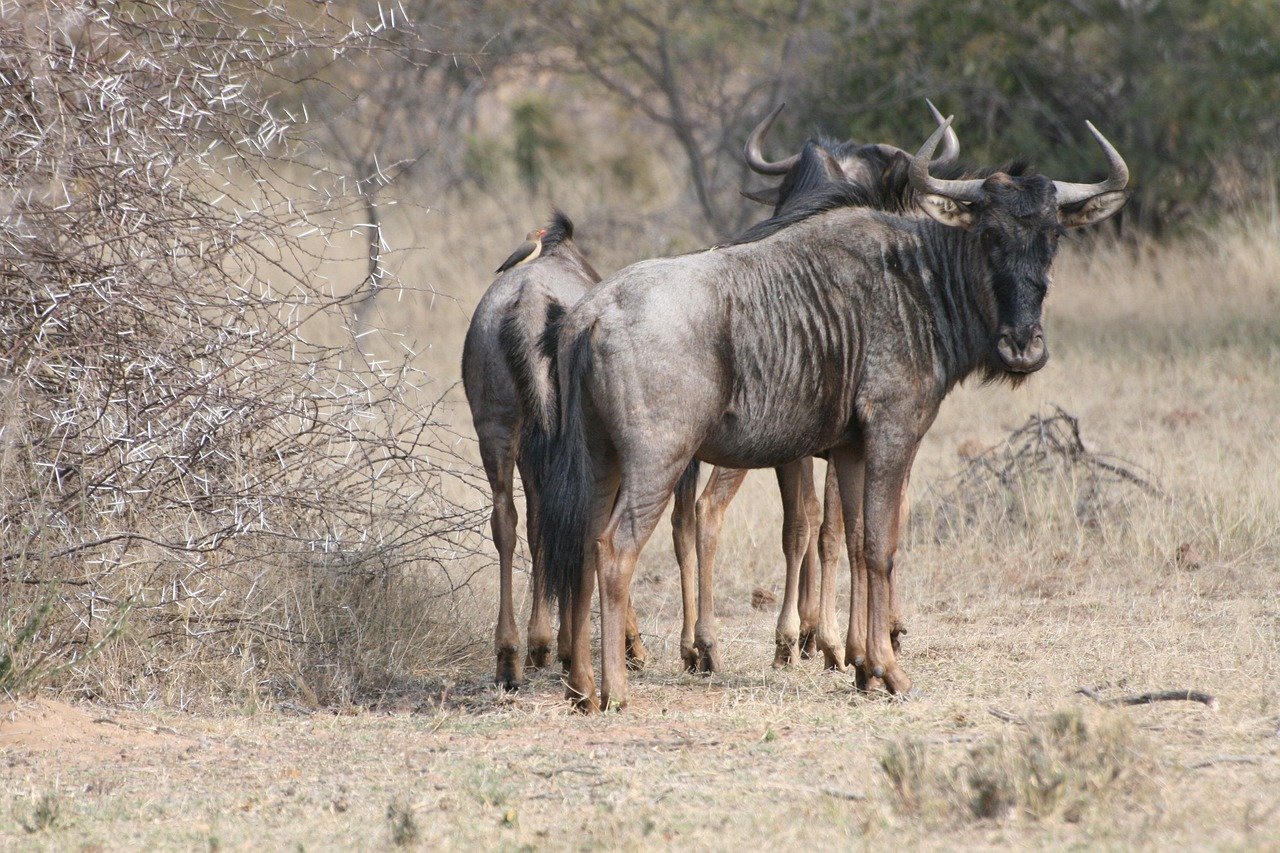
Explore the top safari parks in Tanzania with incredible wildlife, scenic landscapes, and unforgettable safari experiences for travelers of all levels.
Tanzania is home to some of the most spectacular safari parks in Africa, offering diverse landscapes, abundant wildlife, and unforgettable adventures.
Serengeti National Park is world-famous for its vast savannahs, the Great Migration, and Big Five sightings, making it a top destination for wildlife enthusiasts.
Ngorongoro Crater provides a unique safari experience with its dense wildlife population inside a massive volcanic caldera, including lions, elephants, and rhinos.
Tarangire National Park is known for its large elephant herds, iconic baobab trees, and excellent game viewing during the dry season.
Lake Manyara National Park offers a mix of tree-climbing lions, flamingos, and lush landscapes, ideal for photographers and bird watchers.
Tanzania is renowned for its spectacular wildlife, diverse landscapes, and world-famous national parks. From the vast plains of the Serengeti to the dramatic cliffs of Ngorongoro, Tanzania’s safari parks offer unparalleled experiences. This guide highlights the top safari parks, what makes each park unique, and tips for visiting them to maximize your adventure.
The Serengeti is Tanzania’s most famous park, known for its endless plains, rich wildlife, and the annual Great Migration of wildebeest and zebras. Visitors can witness lions, leopards, cheetahs, elephants, giraffes, and countless bird species. The park offers excellent game drives, hot air balloon safaris, and photography opportunities. For beginners, it provides easy access and well-maintained roads.
Home to the spectacular Ngorongoro Crater, this UNESCO World Heritage site is one of the best places to see wildlife in high density. It’s ideal for first-time safari visitors due to easy access and guaranteed sightings of lions, elephants, rhinos, and buffalo. The crater is surrounded by scenic highlands, Maasai villages, and volcanic landscapes.
Tarangire is famous for its large elephant herds, giant baobab trees, and diverse birdlife. The park is less crowded than Serengeti, making it ideal for those seeking a peaceful safari experience. Wildlife congregates around the Tarangire River during dry months, providing excellent photographic opportunities.
Lake Manyara is a compact park offering a unique mix of flamingos, hippos, tree-climbing lions, and large bird populations. Its proximity to Arusha makes it a convenient choice for short safaris. Beginners can enjoy guided drives and nature walks in this scenic park.
Ruaha is Tanzania’s largest national park and offers a more remote and adventurous safari experience. Known for its large elephant and predator populations, the park provides an authentic wilderness experience for travelers seeking less crowded destinations.
Selous is one of Africa’s largest protected areas, famous for boat safaris along the Rufiji River and abundant wildlife, including hippos, crocodiles, elephants, and lions. The reserve offers both walking safaris and game drives in a relatively untouched wilderness.
Mikumi is an easily accessible park near Dar es Salaam, ideal for short safaris. Visitors can see lions, elephants, giraffes, zebras, and buffalo. Its open savannah and proximity to Udzungwa Mountains make it perfect for combining wildlife with hiking adventures.
Famous for chimpanzee trekking, Gombe Stream offers a unique wildlife experience for primate lovers. Located along Lake Tanganyika, the park combines forests, rivers, and wildlife observation, making it a must-visit for animal enthusiasts.
Mahale Mountains is another prime location for observing chimpanzees in the wild. This remote park offers trekking, boat safaris, and pristine landscapes along Lake Tanganyika, perfect for adventurous travelers seeking a unique safari experience.
For big game and migration sightings, Serengeti and Ngorongoro are ideal. For less crowded experiences, consider Ruaha or Selous. For primate trekking, Gombe and Mahale are perfect.
Short 2–3 day safaris can cover parks like Tarangire and Lake Manyara, while longer 5–7 day safaris allow exploring Serengeti, Ngorongoro, and remote parks.
Licensed safari guides enhance wildlife spotting, safety, and understanding of the ecosystem.
Neutral-colored clothing, binoculars, camera, sun protection, and comfortable shoes are essential for all parks.
Dry season (June–October) is ideal for game viewing. Wet season (November–May) offers lush scenery and fewer tourists but some roads may be muddy.
A: Ngorongoro Crater and Tarangire National Park are beginner-friendly due to accessibility and high chances of wildlife sightings.
A: June to October is the dry season and best for wildlife viewing. The Great Migration in Serengeti occurs during this period.
A: Yes, multi-day safari packages can combine Serengeti, Ngorongoro, Tarangire, and Lake Manyara for a comprehensive experience.
A: These parks are less crowded and more adventurous. Beginners can visit but should consider guided tours for safety and navigation.
Yes, from budget lodges and campsites to luxury tented camps, all parks have options, though remote parks may have fewer choices.
Yes, Gombe Stream and Mahale Mountains National Parks offer chimpanzee trekking and unique wildlife experiences.
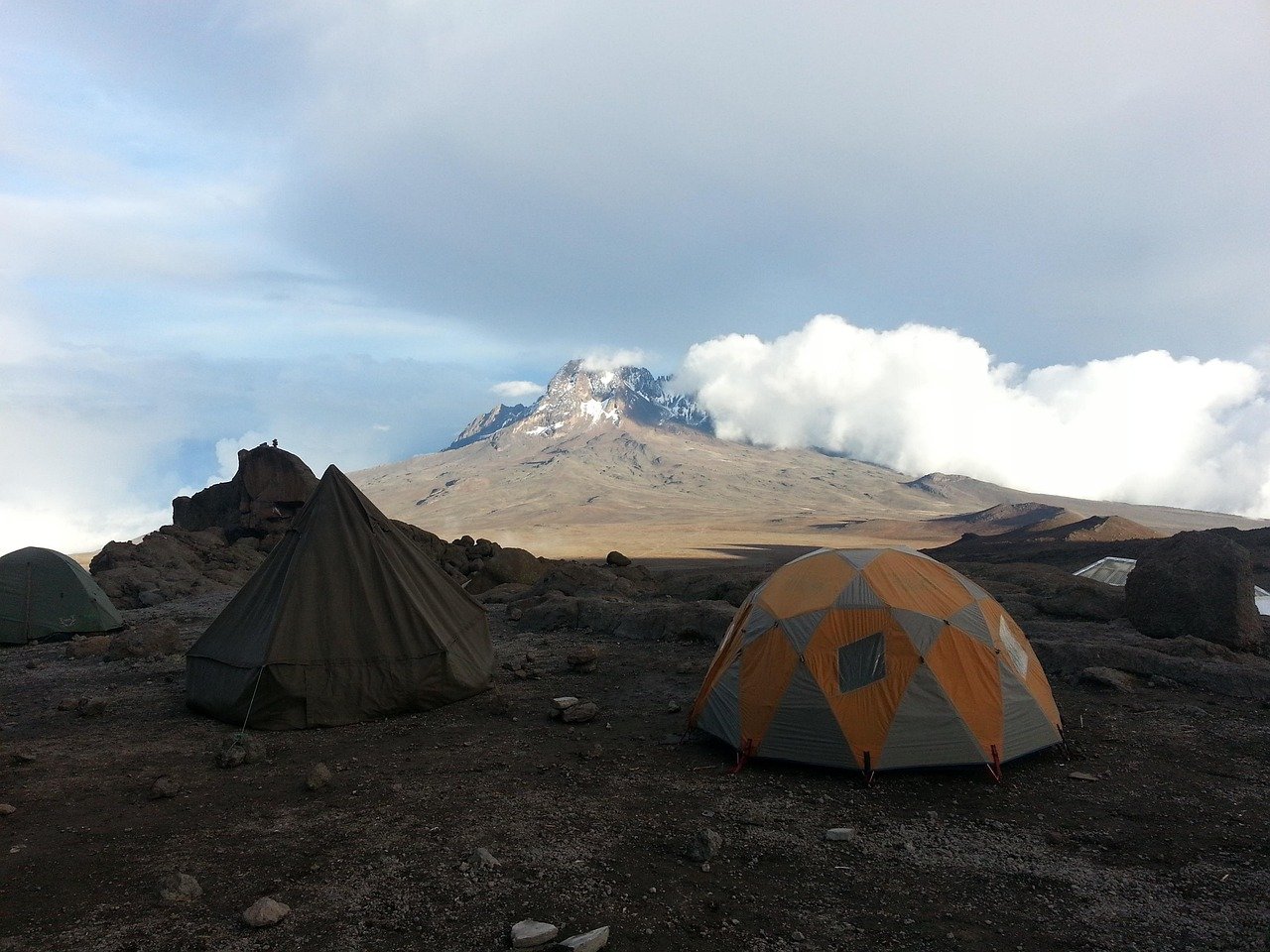
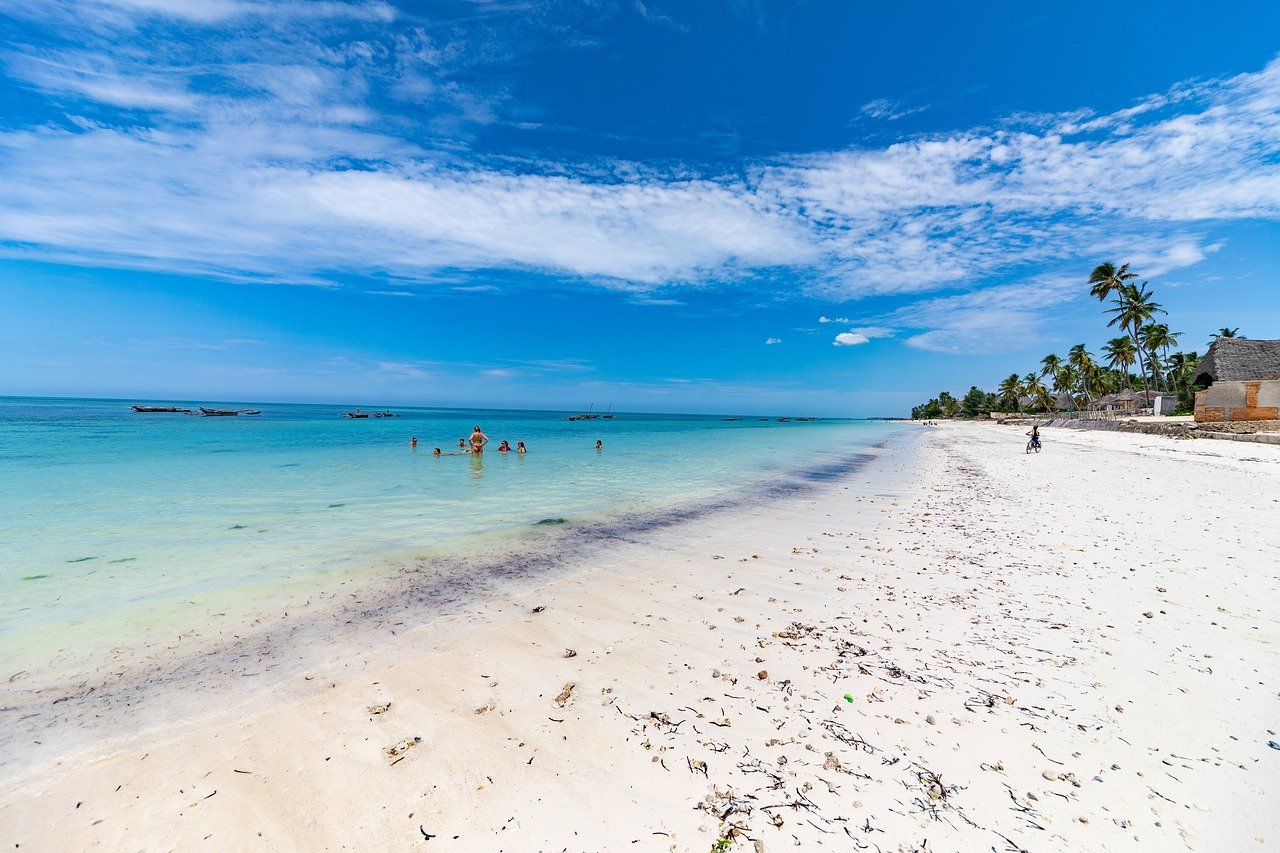
Book your unforgettable Tanzania tour now and experience wildlife, mountains, and pristine beaches in one trip!
Mail Us Now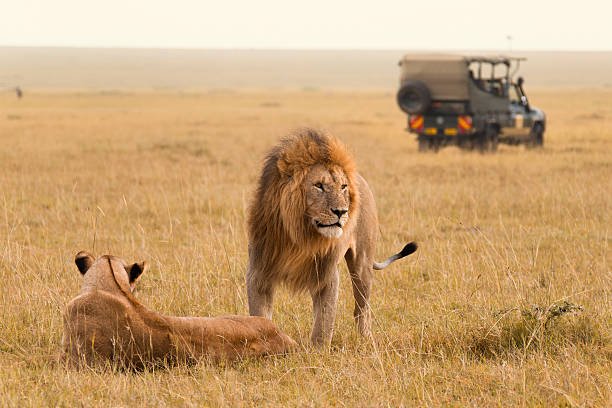
Tanzania
Tanzania
Tanzania
