
Email Anytime
info@wildloreadventures.com
Call Anytime
Email Anytime
Call Anytime
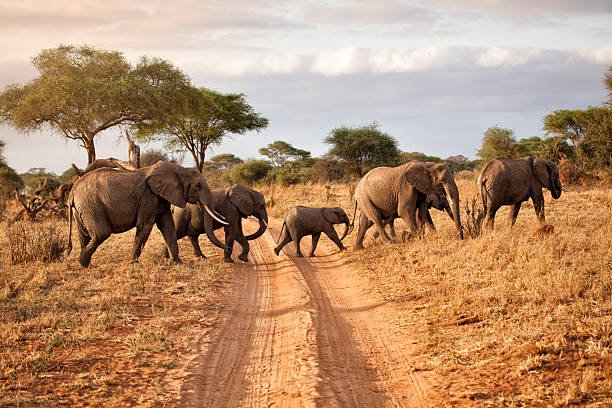
Discover the ultimate Tanzania safari packing list with essential clothing, gear, and accessories to ensure a comfortable and enjoyable wildlife adventure.
Preparing the right gear is key to enjoying a Tanzania safari comfortably and safely.
Essential clothing includes lightweight, breathable fabrics for daytime, warmer layers for early morning game drives, and a waterproof jacket for unexpected rain.
Neutral colors like khaki, beige, and olive are recommended to blend with the environment and avoid disturbing wildlife.
Key accessories include a wide-brimmed hat, sunglasses, sunscreen, insect repellent, and a reusable water bottle.
Safari essentials also include binoculars, a camera with extra batteries or memory cards, and a small daypack for carrying personal items during game drives.
Footwear should be comfortable and sturdy, suitable for walking on uneven terrain, with sandals or flip-flops for camp use.
Going on a Tanzania safari is a thrilling experience, but packing correctly can make all the difference in comfort, safety, and enjoyment. From safaris in the Serengeti to excursions in Ngorongoro, Tarangire, or Selous, knowing what to bring ensures you’re prepared for all conditions, climates, and wildlife encounters.
Neutral-colored clothing (khaki, beige, olive) is ideal for safaris as it blends with wildlife and reduces heat absorption. Breathable fabrics like cotton or moisture-wicking materials keep you comfortable during long game drives.
Protects against sun exposure, insects, and thorny vegetation. Long sleeves and pants are recommended during morning and evening game drives when mosquitoes are most active.
Mornings and evenings can be cold, especially in highlands like Ngorongoro or during early morning drives. Pack fleece jackets, thermal layers, and a light windbreaker for comfort.
Wide-brimmed hats protect against sun, while polarized sunglasses reduce glare and enhance wildlife viewing.
Sturdy walking shoes or lightweight hiking boots are suitable for short bush walks. Sandals or flip-flops can be used at lodges or campsites.
Essential for wildlife spotting at a distance. Choose lightweight binoculars with 8x or 10x magnification.
Capture memories with a DSLR or high-quality smartphone camera. Carry extra batteries and memory cards, as safaris often offer numerous photo opportunities.
Small backpack for carrying water, snacks, camera, binoculars, sunscreen, and personal items during game drives and bush walks.
Stay hydrated during long drives in the sun. Refillable bottles are eco-friendly and practical.
Use strong mosquito repellent with DEET and sunscreen with high SPF to protect against bites and sunburn.
Tanzania uses Type G and D sockets; bring a universal adapter for charging cameras, phones, and other devices.
Include plasters, antiseptic cream, painkillers, diarrhea medicine, and any personal prescription medications.
Take prophylaxis if recommended, and carry mosquito nets if traveling to areas with high malaria risk.
Passport, visa, travel insurance, hotel bookings, and safari confirmations should be accessible at all times.
Pack biodegradable soap, hand sanitizer, toothbrush, and other toiletries. Lodges may provide basic toiletries, but it’s safer to bring your own.
Keep a travel journal or record wildlife sightings during your safari.
Protects your face from dust during drives on unpaved roads.
Energy bars, nuts, or dried fruits for early morning drives or long game drives.
For comfort during early morning or long vehicle transfers between parks and lodges.
Safari vehicles have limited space. Bring only essential items and consolidate clothing in packing cubes for organization.
Avoid bright colors or flashy patterns, as they may disturb wildlife or attract insects.
Temperatures fluctuate during the day. Pack light layers for heat, mid-layers for cool evenings, and a jacket for early mornings.
Pack a light rain jacket or poncho, especially if traveling during the rainy season, and consider waterproof covers for electronics and cameras.
Use soft-sided bags instead of hard suitcases, as safari vehicles have limited space. Duffel bags or backpacks are preferred.
A: Comfortable clothing in neutral colors, sturdy shoes, binoculars, sunscreen, and insect repellent are essential for a safe and enjoyable safari.
A: Yes, mornings and evenings can be cold, especially in highlands like Ngorongoro. Layered clothing and a warm jacket are recommended.
Basic toiletries may be provided, but it’s best to bring your own, including biodegradable soap and personal hygiene items.
Yes, lightweight snacks like nuts, energy bars, or dried fruits are helpful for early morning drives or long days in the park.
Use soft-sided duffel bags or backpacks for easy storage in safari vehicles. Packing cubes help organize clothing and gear efficiently.
Yes, strong sunscreen protects against UV rays, and mosquito repellent prevents insect bites, particularly in malaria-prone areas.
Yes, cameras, phones, and chargers are essential, but use waterproof cases and carry extra batteries or power banks.
Book your unforgettable Tanzania tour now and experience wildlife, mountains, and pristine beaches in one trip!
Mail Us Now
Tanzania
Tanzania
Tanzania
