
Email Anytime
info@wildloreadventures.com
Call Anytime
Email Anytime
Call Anytime
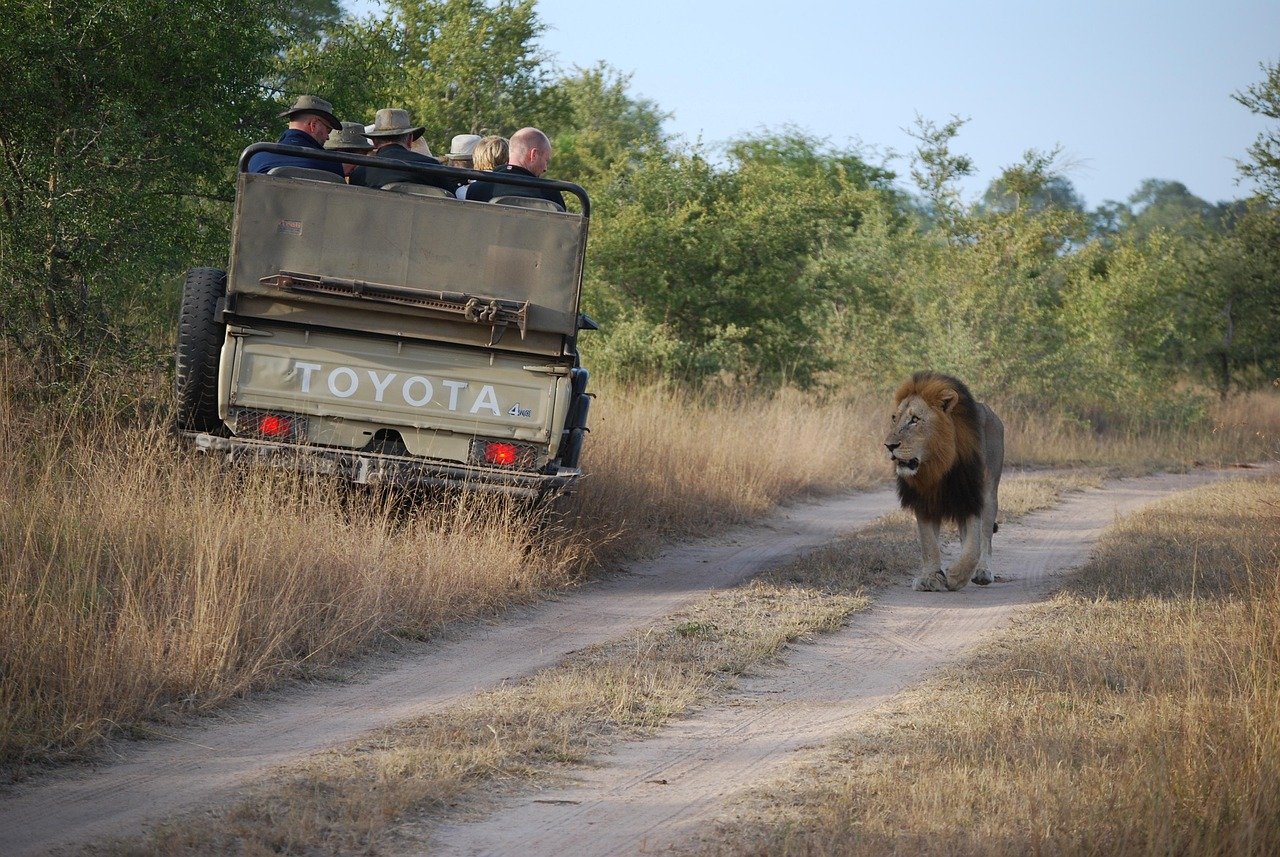
Discover the best time to visit Tanzania for safaris, wildlife viewing, and adventure activities. Learn about weather, wildlife migration, and seasonal highlights.
Tanzania is a year-round destination, but the best time to visit depends on your interests, such as safaris, climbing Kilimanjaro, or relaxing on Zanzibar beaches.
For wildlife and safari enthusiasts, the dry seasons from June to October and late December to February are ideal.
During these months, animals gather around water sources, making it easier to spot the Big Five and witness dramatic wildlife scenes, including the Great Migration in Serengeti.
The wet seasons, from March to May and November, bring lush landscapes, fewer tourists, and lower prices, but some roads may be muddy, and certain areas harder to access.
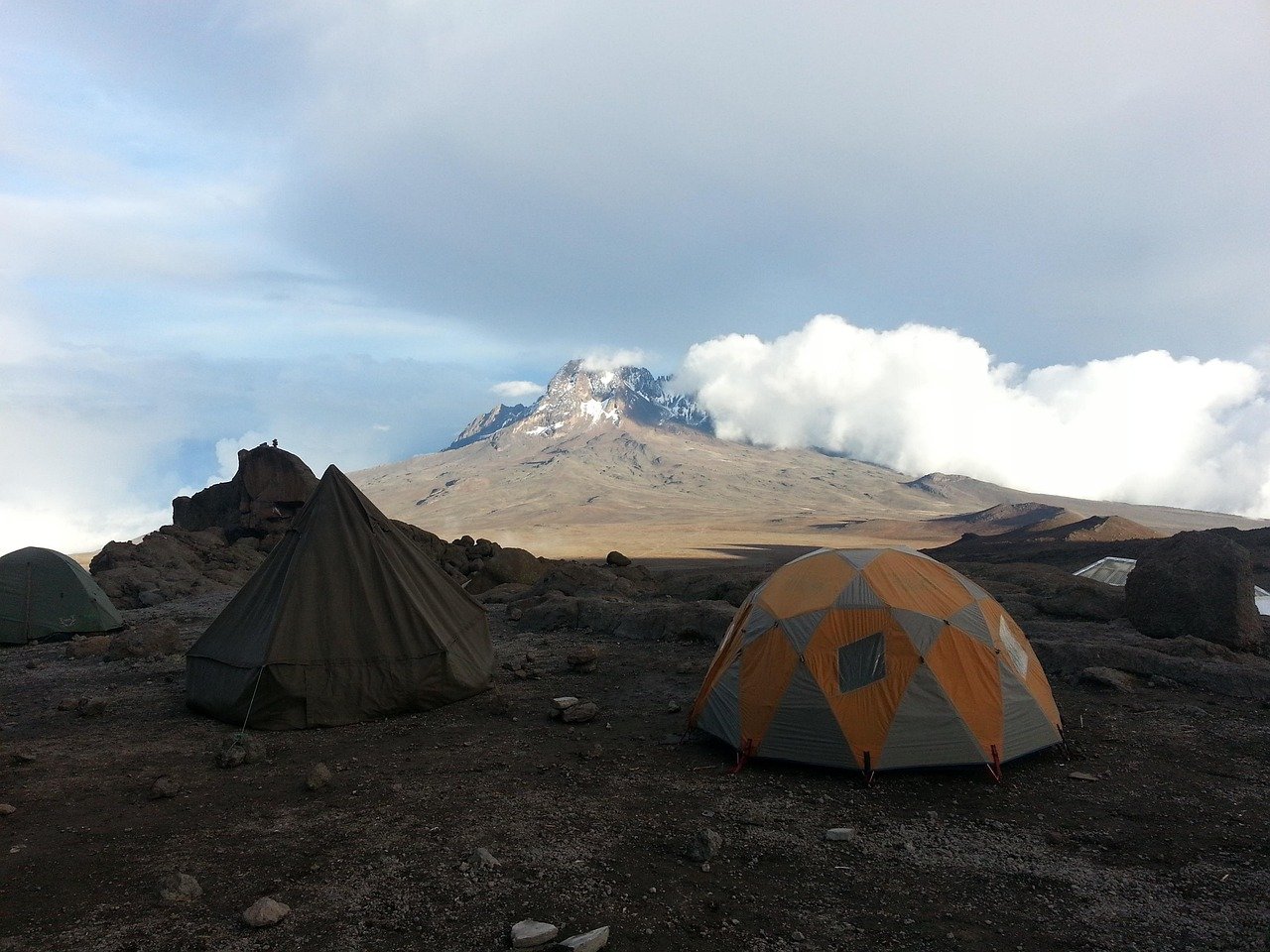
Climbers targeting Kilimanjaro often prefer January to March or June to October, when weather is more stable and summit conditions are favorable.
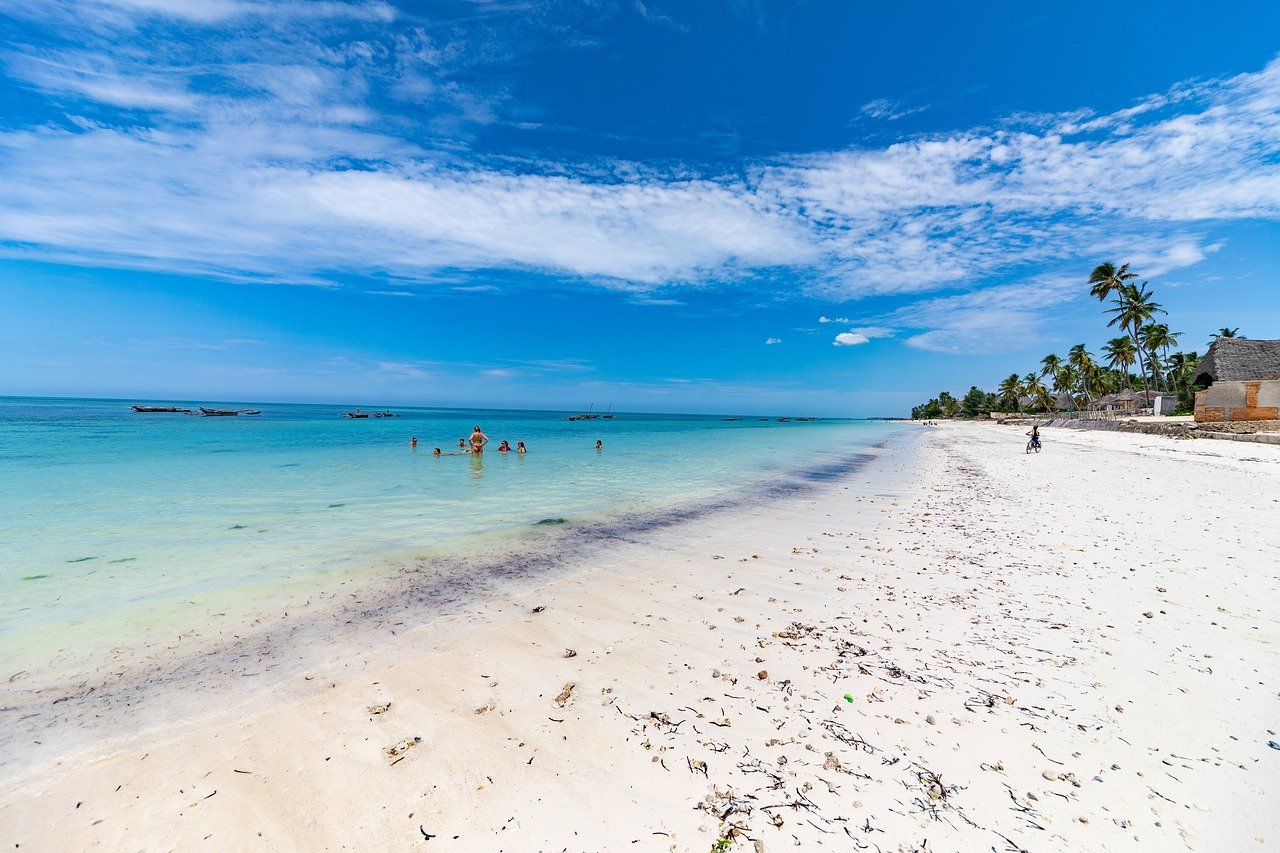
For beach lovers, Zanzibar and coastal areas are best visited during the dry season for sunny days, calm waters, and ideal snorkeling and diving conditions.
Understanding the seasons and planning accordingly ensures you get the most out of your Tanzanian adventure, whether it’s wildlife, mountains, or beaches.
Tanzania is a top destination for wildlife safaris, mountain climbing, and tropical islands. Choosing the right time to visit is crucial for maximizing your experience, from seeing the Great Migration to climbing Kilimanjaro or enjoying Zanzibar beaches. This guide provides a detailed overview of Tanzania’s climate, seasons, and the best periods for different activities.
Tanzania has a tropical climate with regional variations. Coastal areas like Zanzibar are warm and humid, while highlands like Arusha and Kilimanjaro are cooler. Rainfall and temperatures differ across regions, so planning your trip based on activities is important.
The dry season runs from June to October and is considered the best time for safaris. Wildlife gathers around water sources, making animals easier to spot. Days are sunny, nights can be chilly in highlands, and roads are generally accessible.
The wet season occurs from November to May, with short rains in November-December and long rains in March-May. While some roads may be challenging, the landscape is lush, birdlife is abundant, and fewer tourists visit, providing a more private experience.
This is ideal for wildlife viewing. Parks such as Serengeti, Ngorongoro Crater, Tarangire, and Manyara offer excellent game sightings. The Great Migration in Serengeti occurs during this period, with wildebeest and zebra moving across the plains.
While some roads may be muddy, the wet season brings lush greenery, scenic landscapes, and fewer tourists. Birdwatchers and photographers often prefer this period due to vibrant scenery and baby animals.
Dry conditions and cooler temperatures make this period ideal for climbing. Trails are less crowded, and visibility at the summit is generally excellent.
Another dry period suitable for Kilimanjaro climbs. Nights can be colder, especially above 4,000 meters, so proper layering is essential.
The long rains from March to May and short rains in November-December can make trails slippery, increasing the difficulty and risk of altitude sickness.
Dry, sunny, and warm weather makes it perfect for swimming, snorkeling, and diving. The Indian Ocean is calm, offering excellent visibility for underwater activities.
Hot and dry season suitable for beach vacations. Ideal for relaxing resorts, water sports, and exploring historic Stone Town.
March to May experiences long rains, which may disrupt water activities and island excursions. Short rains in November can also affect outdoor plans.
Plan your trip according to the activity you prioritize—safari, mountain climbing, or beach relaxation. Each has an optimal season for the best experience.
During peak dry seasons, lodges, safari tours, and flights fill up quickly. Early booking ensures availability and better rates.
Weather can vary between regions. Coastal areas may be humid while highlands can be cold. Pack clothing suitable for varying climates.
Plan your safari around wildlife migrations and birthing seasons for optimal sightings and photography opportunities.
A: June to October is ideal for the Great Migration and dry season game viewing.
A: January to March and June to October are best due to dry conditions and stable weather.
A: June to October and December to February offer warm, dry, and sunny conditions perfect for beach holidays and water sports.
Yes, but expect muddy roads, occasional flight delays, and wet conditions. However, the landscape is lush, fewer tourists are around, and prices may be lower.
During the dry season (June to October), animals gather around water sources, making sightings easier.
Yes, depending on which part of the Serengeti-Mara ecosystem you want to witness, plan between June and October or December to March.
Book your unforgettable Tanzania tour now and experience wildlife, mountains, and pristine beaches in one trip!
Mail Us Now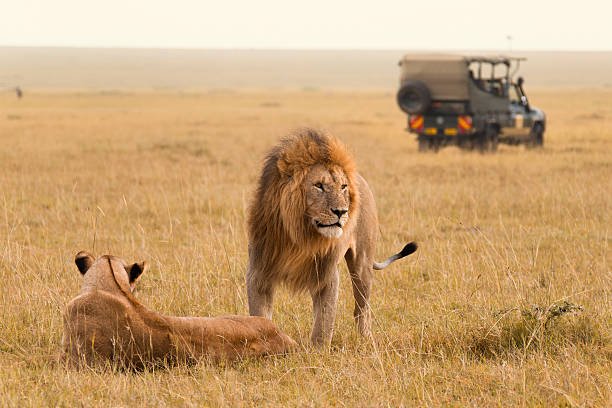
Tanzania
Tanzania
Tanzania
