
Email Anytime
info@wildloreadventures.com
Call Anytime
Email Anytime
Call Anytime
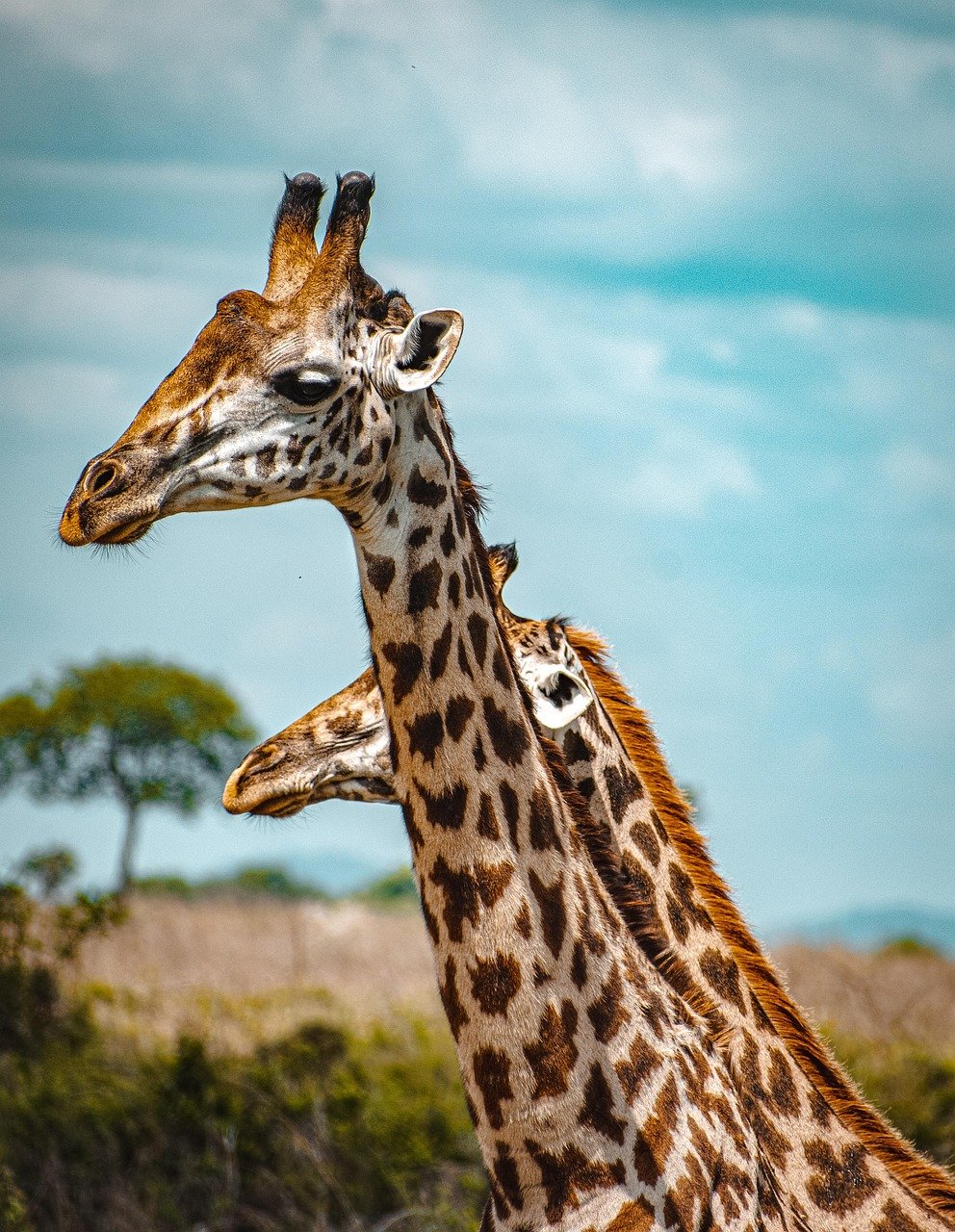
Learn essential Tanzania wildlife photography tips, including gear, techniques, timing, and safety advice to capture amazing safari wildlife shots.
Capturing Tanzania’s incredible wildlife requires preparation, the right equipment, and knowledge of animal behavior.
These photography tips help travelers take better shots during safaris by choosing the best time of day, using appropriate lenses, and understanding lighting and composition. Following safety guidelines while photographing wildlife ensures both your protection and the animals’ well-being. With the right techniques and planning, visitors can return home with stunning images of Africa’s iconic animals and landscapes.
Tanzania is one of the best wildlife photography destinations in the world. From the vast plains of the Serengeti to the Ngorongoro Crater and Tarangire’s baobab-studded landscapes, photographers can capture iconic wildlife and breathtaking scenery. This guide provides essential tips for both beginners and experienced photographers to maximize their Tanzania safari photography experience.
For wildlife photography, consider parks like Serengeti, Ngorongoro Crater, Tarangire, Lake Manyara, and Selous. Each offers unique wildlife opportunities, landscapes, and lighting conditions.
The dry season (June–October) offers clearer skies, predictable wildlife locations, and dramatic lighting. Wet season (November–May) provides lush green landscapes and newborn animals, ideal for storytelling photography.
Allocate sufficient time for early morning and late afternoon game drives when animals are most active. Short trips can focus on one park, while longer safaris allow exploration of multiple ecosystems.
DSLR or mirrorless cameras with fast autofocus are ideal. Beginners can also use high-quality point-and-shoot cameras with optical zoom.
A telephoto lens (200–400mm) is essential for wildlife photography, allowing you to capture animals from a safe distance. Wide-angle lenses are useful for landscapes and scenic shots.
Portable tripods or monopods stabilize shots, especially during long drives or low-light conditions.
Extra batteries, memory cards, lens cleaning kits, and protective camera covers are crucial in remote areas with dust and changing weather conditions.
Early morning and late afternoon provide soft, warm lighting ideal for capturing wildlife and landscapes. Avoid harsh midday sunlight for best results.
Follow composition rules such as the rule of thirds, leading lines, and framing to create engaging and dynamic images.
Wildlife photography requires patience. Observe animal behavior and anticipate movements for the perfect shot. Spend time in one spot if needed.
Use fast shutter speeds for moving animals to avoid motion blur. Continuous autofocus mode is helpful for tracking wildlife.
Never disturb animals for photography. Stay in vehicles unless guided, maintain a safe distance, and avoid loud noises.
Guides help locate wildlife, provide information about animal behavior, and ensure safety during photography.
Wildlife encounters can be sudden. Keep your camera ready with settings pre-adjusted for lighting and wildlife type.
Include landscapes, trees, rivers, and other elements to tell a complete story of the ecosystem.
Long drives and waiting for wildlife can be exhausting. Carry water, snacks, and rest periodically to stay focused.
Store images on multiple memory cards or backup devices to prevent data loss during extended safaris.
A: Serengeti, Ngorongoro Crater, Tarangire, Lake Manyara, Selous, and Ruaha are ideal for capturing diverse wildlife and landscapes.
A: While professional DSLR or mirrorless cameras are preferred, high-quality point-and-shoot cameras and smartphones with optical zoom can still capture excellent photos.
Always maintain a safe distance. Use telephoto lenses to capture close-up shots without disturbing the animals.
Early morning and late afternoon offer the best light and more active wildlife, ideal for capturing dramatic shots.
Yes. Experienced guides know animal locations and behavior, increasing your chances of capturing unique wildlife moments.
Use dust covers, lens caps, padded bags, and avoid changing lenses in dusty environments. Always carry extra batteries and memory cards.
Book your unforgettable Tanzania tour now and experience wildlife, mountains, and pristine beaches in one trip!
Mail Us Now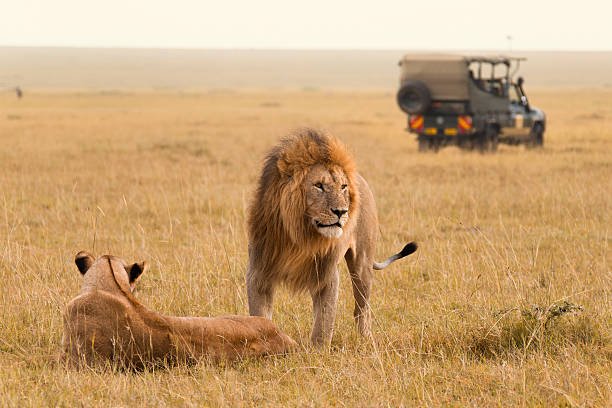
Tanzania
Tanzania
Tanzania
