
Email Anytime
info@wildloreadventures.com
Call Anytime
Email Anytime
Call Anytime
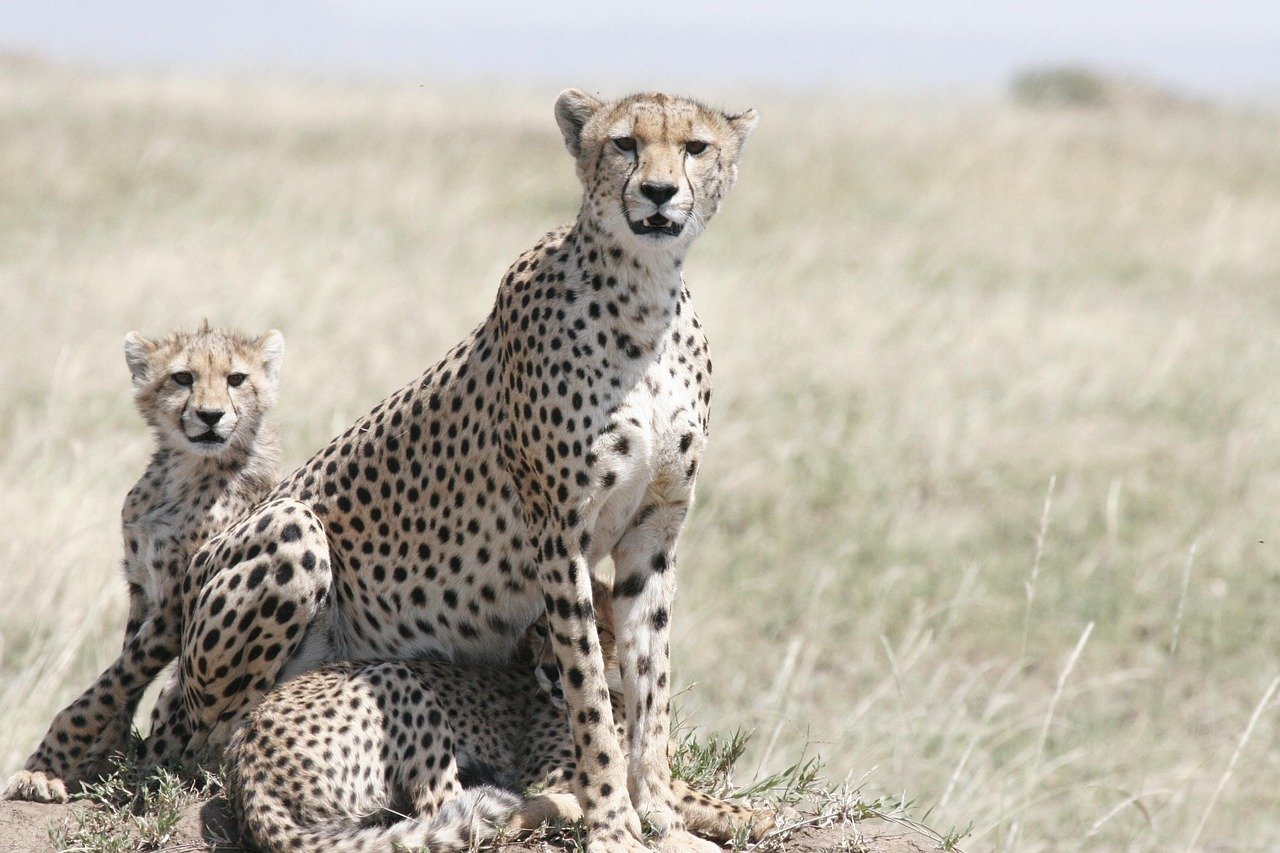
Stay safe during your Tanzania trip with essential travel safety tips, health advice, local customs, and practical guidelines for a worry-free adventure.
Traveling to Tanzania can be an unforgettable experience, with stunning safaris, majestic mountains, and rich cultural encounters.
However, it’s important to stay informed and follow safety precautions to ensure a smooth trip.
Health and vaccinations are key: make sure you are up to date on routine vaccines, consider Yellow Fever if required, and take malaria precautions such as repellents and medication.
For personal safety, keep valuables secure, avoid isolated areas at night, and use hotel safes when possible.
Road safety is crucial—use licensed taxis or reputable transportation, avoid night driving in rural areas, and always wear seat belts.
Wildlife safety is essential: follow your safari guide’s instructions, never approach or feed animals, and stay inside your vehicle unless permitted.
Respect local customs and dress codes, ask permission before photographing people, and learn basic Swahili greetings to enhance your experience.
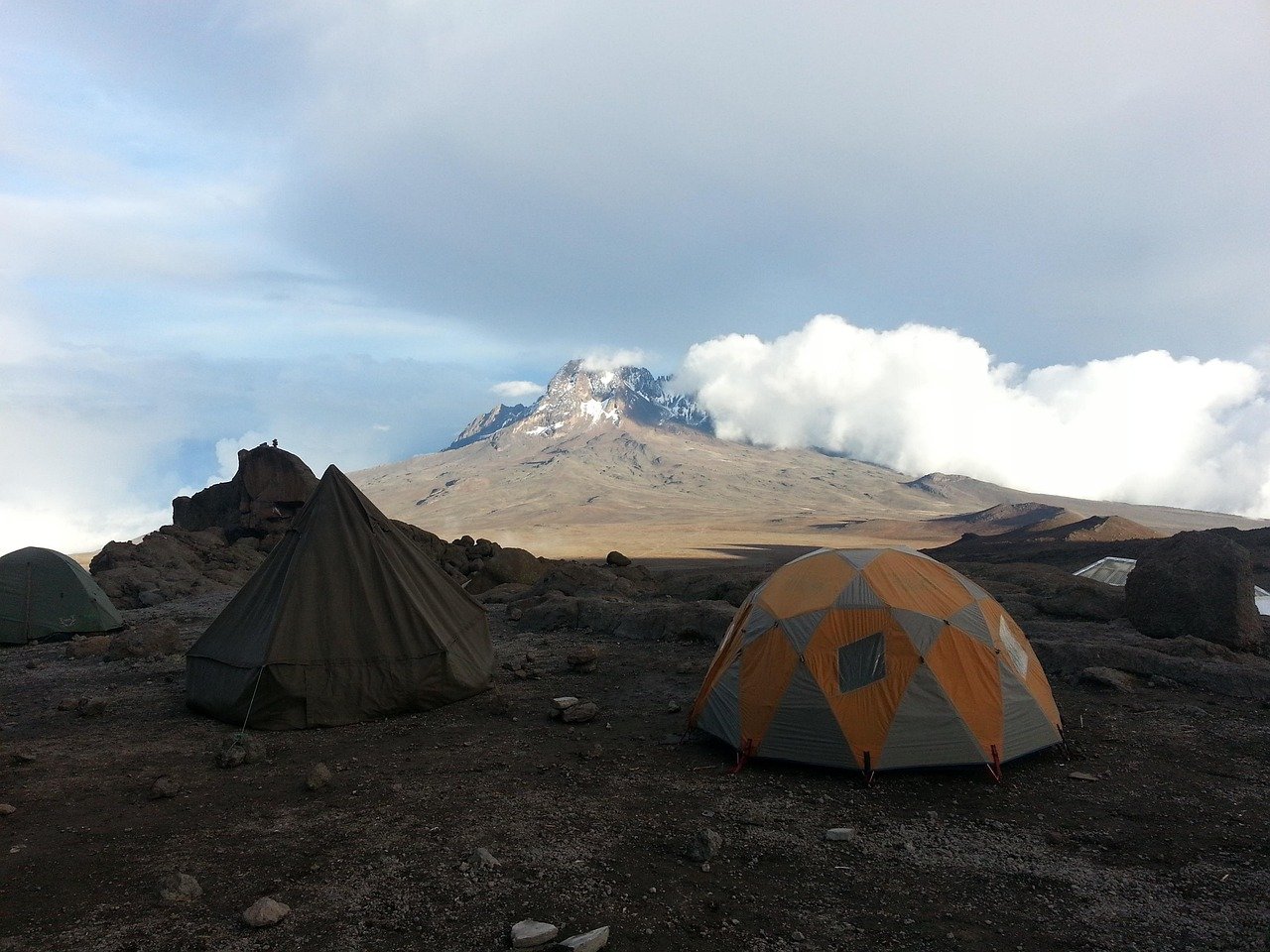
Tanzania is one of Africa’s most popular travel destinations, renowned for its safaris, Kilimanjaro climbs, and idyllic beaches. While it is generally safe for tourists, knowing key travel safety tips ensures a worry-free and enjoyable experience. From wildlife encounters to road travel, cultural etiquette, and health precautions, this guide covers essential advice for travelers visiting Tanzania.
Be mindful of your environment in cities like Dar es Salaam, Arusha, and Zanzibar. Avoid isolated areas at night and always keep valuables secure. Pickpocketing can occur in crowded markets, bus stations, and tourist attractions.
Always choose registered taxis, reputable tour operators, or official shuttle services. Avoid unmarked taxis, especially at night. For self-drive, follow local traffic rules and stay vigilant on rural roads, as road conditions may vary.
Use hotel safes for passports, cash, and electronics. Carry only necessary money or cards when exploring. Consider anti-theft backpacks and secure pouches for cameras, phones, and travel documents.
Have contact numbers for local authorities, your embassy, and tour operators. Also, keep a physical copy of important documents, including passport, visa, travel insurance, and emergency contacts.
Before traveling to Tanzania, ensure routine vaccinations are up to date. Recommended vaccines include Yellow Fever, Hepatitis A & B, Typhoid, and Tetanus. A Yellow Fever certificate may be required if arriving from certain countries.
Malaria is present in Tanzania. Take prophylactic medication, use mosquito repellents, and sleep under insecticide-treated mosquito nets, especially in rural and lowland areas.
Drink bottled or filtered water. Avoid ice from unknown sources and raw food that may have been washed in untreated water to prevent foodborne illness.
Comprehensive travel insurance is essential, covering medical emergencies, evacuation, and trip cancellations. Keep policy numbers and emergency hotline accessible.
During safari drives in Serengeti, Ngorongoro, Tarangire, or other parks, always follow your guide’s instructions. Wildlife can be unpredictable and dangerous.
Never exit safari vehicles except in designated areas. Approach animals cautiously and never attempt to feed or provoke them.
Maintain a safe distance from lions, elephants, hippos, and other wildlife. Guides know the safe viewing distances and will instruct you accordingly.
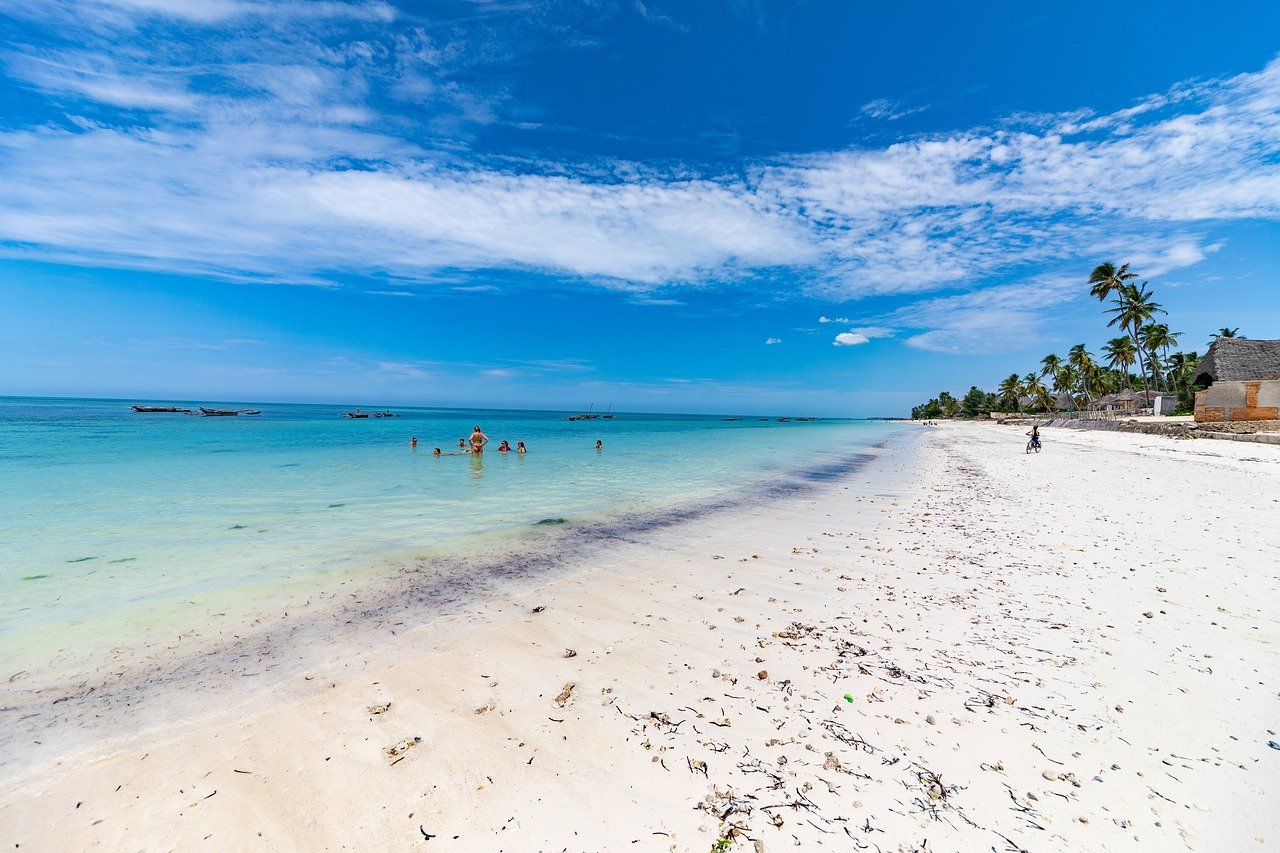
Swim in designated areas and heed local warnings about tides and currents, especially in Zanzibar or Pemba. Avoid swimming alone or at night.
When snorkeling, diving, or taking boat trips, always use safety gear provided by licensed operators. Check the boat or equipment condition before departure.
Rural roads can be rough, with potholes or unpaved sections. Drive carefully, especially during rainy seasons.
Use reputable bus or shuttle services. Avoid overcrowded minibuses (“dala-dala”) for long trips, particularly with luggage or children.
Minimize travel at night. If unavoidable, stick to major highways and well-known routes.
Tanzania is generally conservative. Dress modestly in towns and rural areas. Cover shoulders and knees, especially when visiting villages or religious sites.
Respect local customs, seek permission before taking photographs of people, and avoid public displays of affection.
Be cautious of overly persistent street vendors or unofficial guides. Agree on prices beforehand for goods or services.
Scan and save copies of your passport, visa, tickets, and insurance on your phone or cloud storage for emergencies.
Purchase a local SIM card for reliable communication, GPS navigation, and emergency contact.
Carry a mix of cash and cards. Keep some emergency cash hidden separately from your wallet or bag.
Know local emergency numbers (Police: 112, Ambulance: 113, Fire: 114) and your embassy contact information.
A: Yes, with proper precautions, solo travelers can safely explore Tanzania, including safaris and Zanzibar.
A: Tourist hotspots like Serengeti, Ngorongoro, Zanzibar, and Kilimanjaro routes are generally safe, especially when using licensed guides and operators.
A: Yes, travel insurance covering medical emergencies, evacuation, and trip interruptions is highly recommended.
Vaccinations, malaria prevention, safe drinking water, and food hygiene are essential to minimize health risks.
Use reputable buses or shuttles. Avoid overcrowded minibuses for long journeys, and do not travel alone at night.
Book your unforgettable Tanzania tour now and experience wildlife, mountains, and pristine beaches in one trip!
Mail Us Now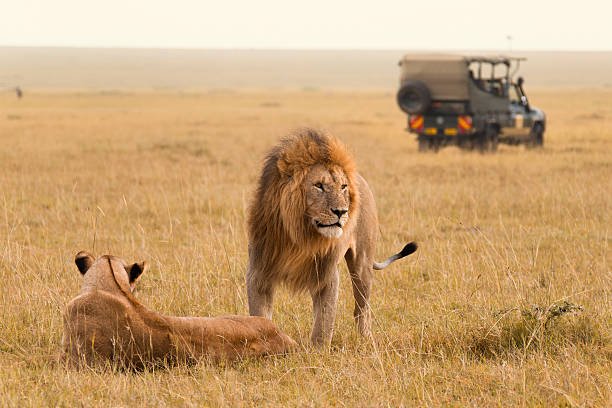
Tanzania
Tanzania
Tanzania
