
Email Anytime
info@wildloreadventures.com
Call Anytime
Email Anytime
Call Anytime
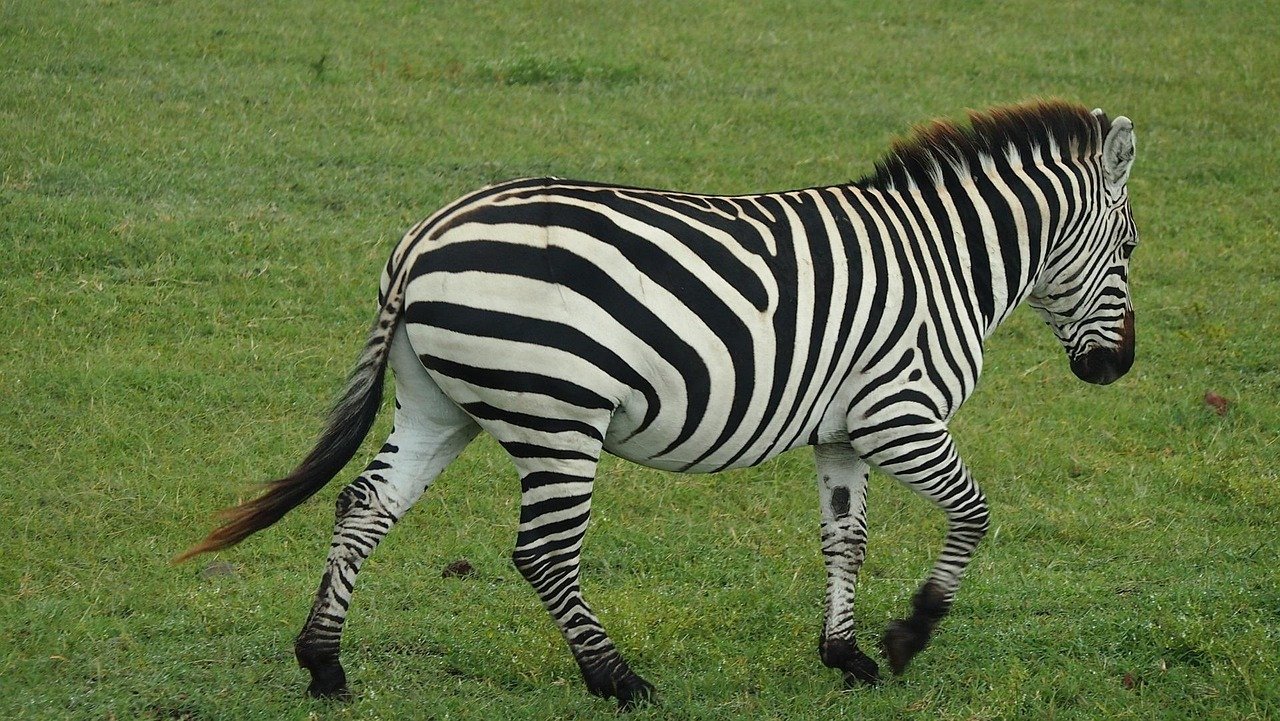
Explore the Ngorongoro Crater with this complete guide, including travel tips, wildlife insights, best visiting times, and practical advice for a memorable safari.
The Ngorongoro Crater is one of Tanzania’s most iconic safari destinations, famous for its dense wildlife population and breathtaking landscapes.
Visitors can experience the Big Five, zebras, wildebeests, and flamingos all within a single crater, making it ideal for both short and extended safaris. Planning your visit with the right timing ensures better wildlife sightings and a more enjoyable experience. Health precautions, safety guidelines, and following park rules are essential to ensure a smooth trip. Comfortable clothing, binoculars, and cameras will enhance your experience and help capture the stunning scenery and wildlife encounters.
With proper preparation, a visit to Ngorongoro Crater offers an unforgettable safari adventure that combines nature, wildlife, and cultural insights in one of Africa’s most spectacular settings.
The Ngorongoro Crater, a UNESCO World Heritage site, is one of Tanzania’s most remarkable natural wonders. Known as the “Eighth Wonder of the World,” this vast volcanic caldera offers unparalleled wildlife viewing, stunning landscapes, and cultural experiences. This guide provides all the essential information for planning a visit, including park highlights, tips, and practical advice for travelers.
The Ngorongoro Crater was formed around 2–3 million years ago after the collapse of a massive volcano. Measuring approximately 20 km in diameter and 600 meters deep, it covers an area of about 260 square kilometers. The crater floor is a diverse ecosystem of grasslands, swamps, lakes, and forests, providing perfect habitats for wildlife.
The crater is home to over 25,000 animals, including the Big Five (lion, elephant, leopard, buffalo, rhino), cheetahs, wildebeest, zebras, and flamingos. Birdwatchers can enjoy over 500 species, making it a paradise for nature enthusiasts. Wildlife is dense due to the enclosed geography and permanent water sources.
The Ngorongoro Conservation Area is also inhabited by the Maasai people, who coexist with wildlife. Visitors can learn about Maasai culture, traditional lifestyles, and their role in conservation efforts.
The dry season is the best time for wildlife viewing. Animals gather around water sources, making sightings more predictable. Roads are in good condition, and the weather is sunny and clear.
Although roads may be muddy, the crater is lush and green. This period is ideal for photographers and birdwatchers. Many young animals are born in wet months, offering unique wildlife experiences.
Ngorongoro Crater is approximately 180 km from Arusha, about a 3–4 hour drive. Most safaris start from Arusha or Kilimanjaro International Airport. 4x4 vehicles are recommended for comfort on park roads.
Many tour operators offer day trips, 2-day, or multi-day safari packages combining Ngorongoro with Serengeti, Tarangire, and Lake Manyara. Guided safaris are highly recommended for wildlife spotting and safety.
While there are no direct flights into Ngorongoro, small airstrips in nearby areas serve charter flights connecting Serengeti and other northern safari parks.
Game drives are the main activity, offering opportunities to see lions, elephants, rhinos, buffaloes, zebras, wildebeest, and cheetahs in a natural setting. Early morning drives are ideal for spotting predators.
With over 500 species, birdwatchers can spot flamingos, ostriches, and a variety of endemic and migratory birds. Lakes and swamps provide excellent viewing spots.
Visiting Maasai villages provides insight into traditional lifestyles, culture, and conservation practices. Visitors can observe daily activities and purchase local crafts.
The crater offers breathtaking landscapes, wildlife, and sunrise/sunset views, making it a paradise for photographers.
Guides enhance the experience by sharing knowledge, spotting elusive wildlife, and ensuring safety on the crater floor.
Early arrival ensures more wildlife sightings and cooler temperatures. The crater gates open around 6:00 AM.
Bring sun protection, neutral-colored clothing, comfortable shoes, binoculars, water, and a camera. Temperatures can vary, so layers are recommended.
Keep a safe distance, stay inside vehicles, and follow your guide’s instructions. Feeding or disturbing animals is prohibited.
Combine Ngorongoro with Serengeti, Tarangire, or Lake Manyara for a complete Northern Circuit safari experience.
A: Most visitors spend a full day exploring the crater floor. Combining it with nearby parks usually requires 2–3 days.
Yes, but hiring a licensed guide is highly recommended for safety, navigation, and wildlife knowledge.
Yes. The crater’s accessible terrain and abundant wildlife make it family-friendly, with short drives and easy viewing opportunities.
June to October (dry season) is best for wildlife viewing, while November to May offers lush scenery and fewer tourists.
Yes, options range from budget lodges to luxury tented camps along the crater rim, offering stunning views and convenient access.
Yes, park entrance fees are required for all visitors, and guided tours usually include the permit cost.
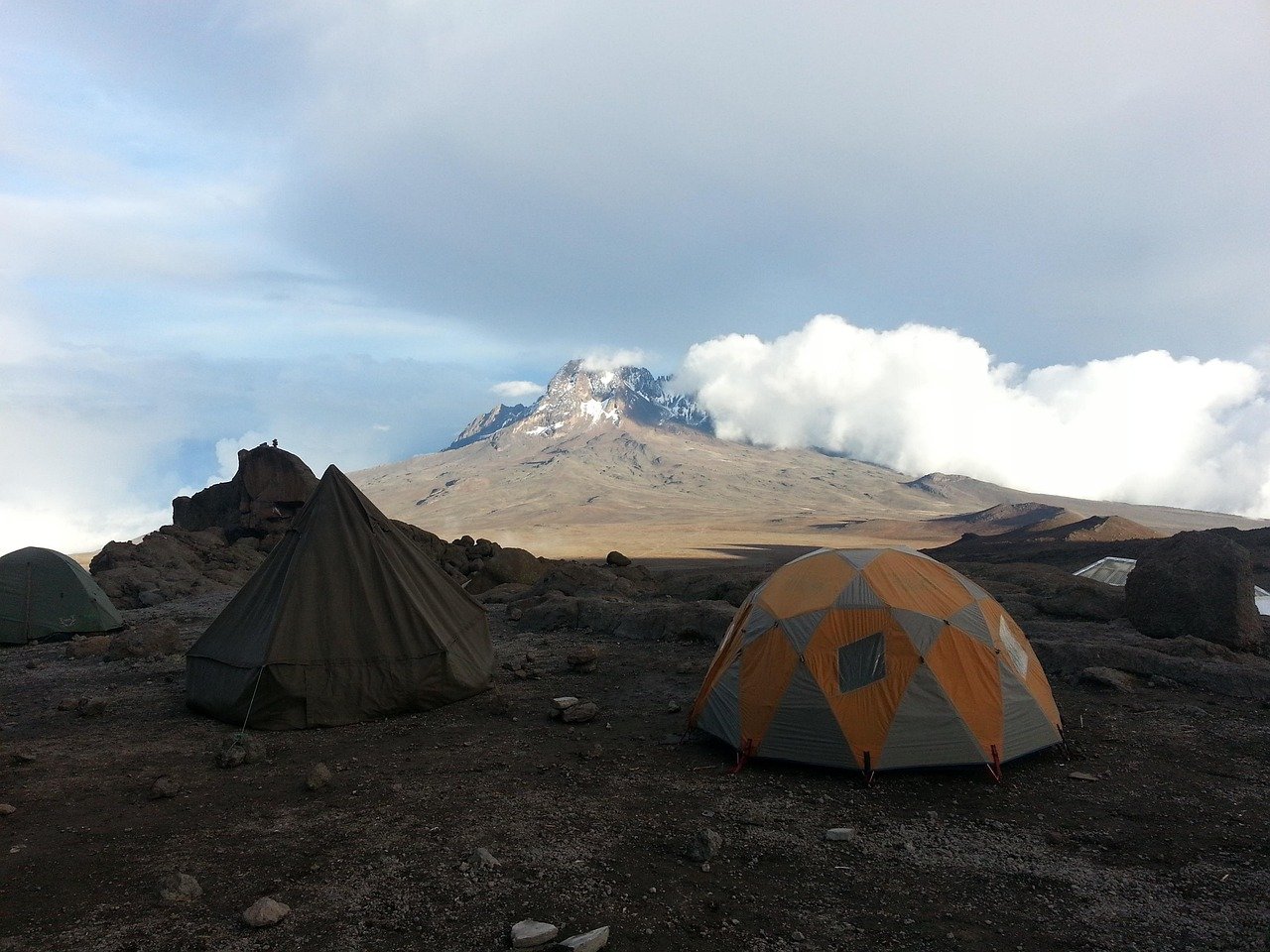
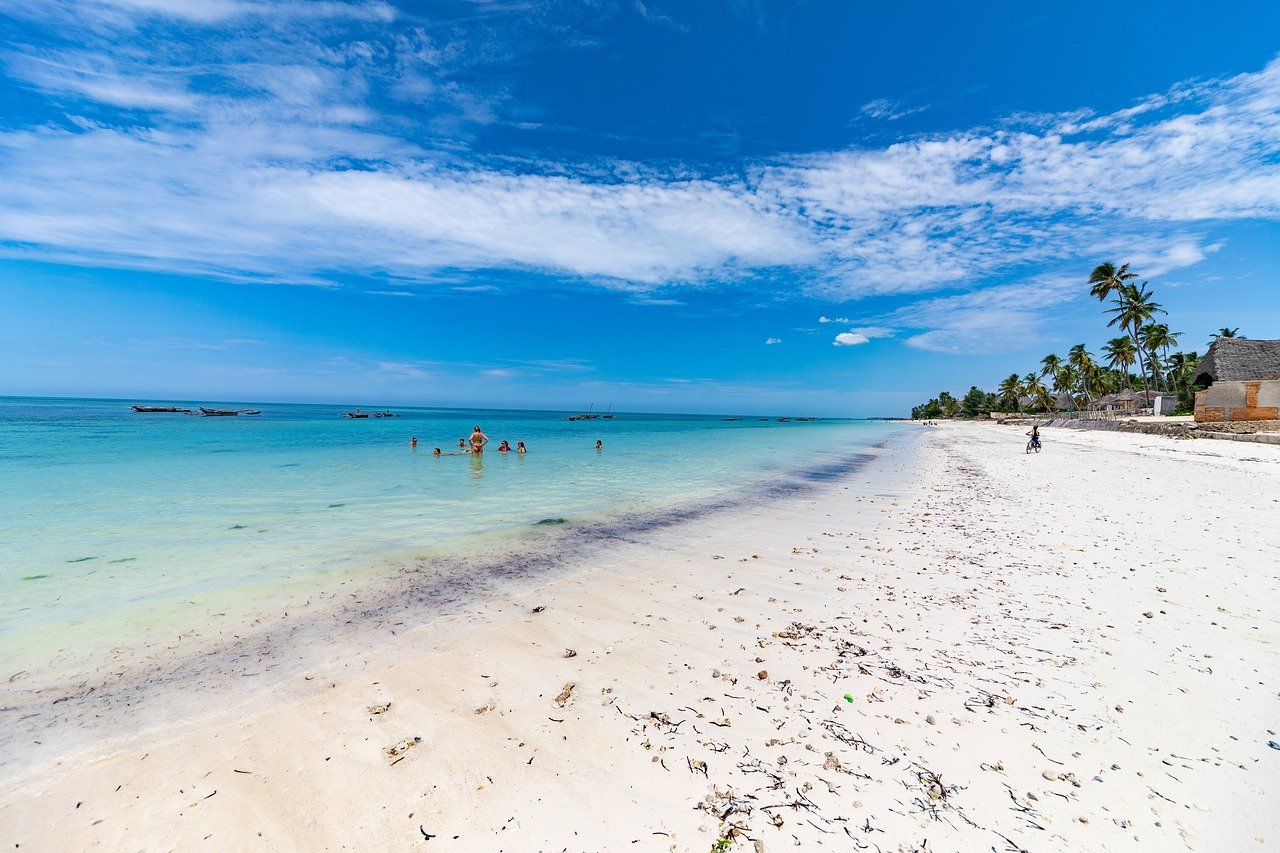
Book your unforgettable Tanzania tour now and experience wildlife, mountains, and pristine beaches in one trip!
Mail Us Now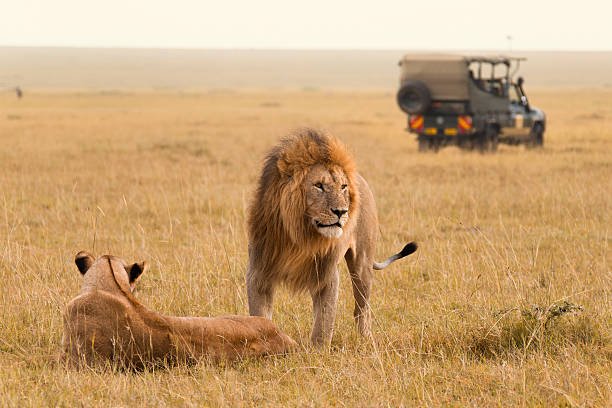
Tanzania
Tanzania
Tanzania
